About ʻONO, Foods of Aloha
Filmmaker Statement
Long before I became a filmmaker, I was immersed in Hawaiʻi’s food world.
For Hawaiʻi food distributor Y. Hata & Co., I created ChefZone, essentially a Costco for restaurants. Building the business gave me a rare view of Hawaiʻi’s food ecosystem—from local growers, manufacturers, and distributors to chefs, restaurateurs and foodies—and the complicated journey food takes in Hawaiʻi before it reaches our tables. Before that, I spent decades designing and branding restaurants, food retail, resorts, and casinos around the world. And for a decade, I produced Lemonade Alley, a culinary entrepreneurship challenge for kids in Hawaiʻi.
Along the way, I also created Shaka Spirits, a boutique spirits brand based a historic recipe from Hawaiʻi plantation history. What began as a local brand unexpectedly sent me down a rabbit hole: Where did the shaka actually come from, and what does it really mean? That curiosity ultimately led me to make my first documentary, SHAKA, A Story of Aloha—and changed the direction of my life.
Now, in a way, I’ve come full circle. With ʻONO, I’m returning to food, hospitality, entrepreneurship, and brand storytelling—but this time through the lens of filmmaking. Through it all, I’ve remained fascinated by a deceptively simple question:
What makes something truly ʻONO?
As a filmmaker and creator of brand stories, I seek the iconic essence of a story. For this one, it was sitting right in front of me: ʻONO—the Hawaiian word for delicious. But every story needs tension. Increasingly, I was watching beloved local eateries disappear while familiar national chains took their place. That became the seed of this film when I realized ʻONO could also represent something very different:
“OH NO!”
For a visitor destination like Hawaiʻi, food can be one of the first, last, and most powerful cultural touchpoints of a journey. If everything begins to taste like everywhere else, we risk losing part of what makes Hawaiʻi distinctive—not only culturally, but as a destination.
More constructively, Hawaiʻi’s food is more than just sustenance—it tells the story of its people. Hawaiʻi food culture was created through generations of many ethnicities coming together, bringing their own ingredients, traditions, and customs, then sharing, adapting, collaborating, and coexisting. What emerged wasn’t simply a collection of different cuisines, but something new and uniquely Hawaiʻi—a delicious expression of how diverse cultures can come together to create a paradise of aloha spirit.
Why I’m Making This Film
I produce films through ID8, a Hawaiʻi 501(c)(3) nonprofit. I take no compensation from the nonprofit or the production of these films and retain no personal ownership of the stories we tell.
That structure is intentional.
These aren’t my stories. My privilege is getting a front-row seat to explore them, ask questions, connect the dots, and help preserve them for the next generation. I come to these stories with no agenda—just curiosity, an open mind, and a love for exploring what makes the place I call home extraordinary.
The Global Aloha Series
ʻONO is the third documentary in our Global Aloha series of films that explore Hawaiʻi and the many ways aloha takes form. The first in the series, SHAKA, A Story of Aloha explored the origins and meanings behind Hawaiʻi’s iconic gesture and ultimately helped inspire Project Shaka and the broader Global Aloha movement. The second film, THE 100TH, Seeds of Aloha explores the extraordinary story of Hawaiʻi’s 100th Infantry Battalion and 442nd Regimental Combat Team—and how men who endured unimaginable war planted seeds of aloha that continue to grow generations later. And now, ʻONO explores aloha through food—the flavors, people, traditions, inventions, and gathering places that have made Hawaiʻi one of the world’s most distinctive food cultures.
But the larger purpose is not to export Hawaiʻi’s culture or ask the world to become Hawaiian. Rather, we hope Hawaiʻi’s example inspires people everywhere to recognize, preserve, and activate constructive values within their own cultures and communities—values that help people, places, and ideas flourish.
My hope is that ʻONO will be meaningful, surprising and fun—but above all, I hope to inspire others with a film that leaves us hungry not only for great food, but for positive change.
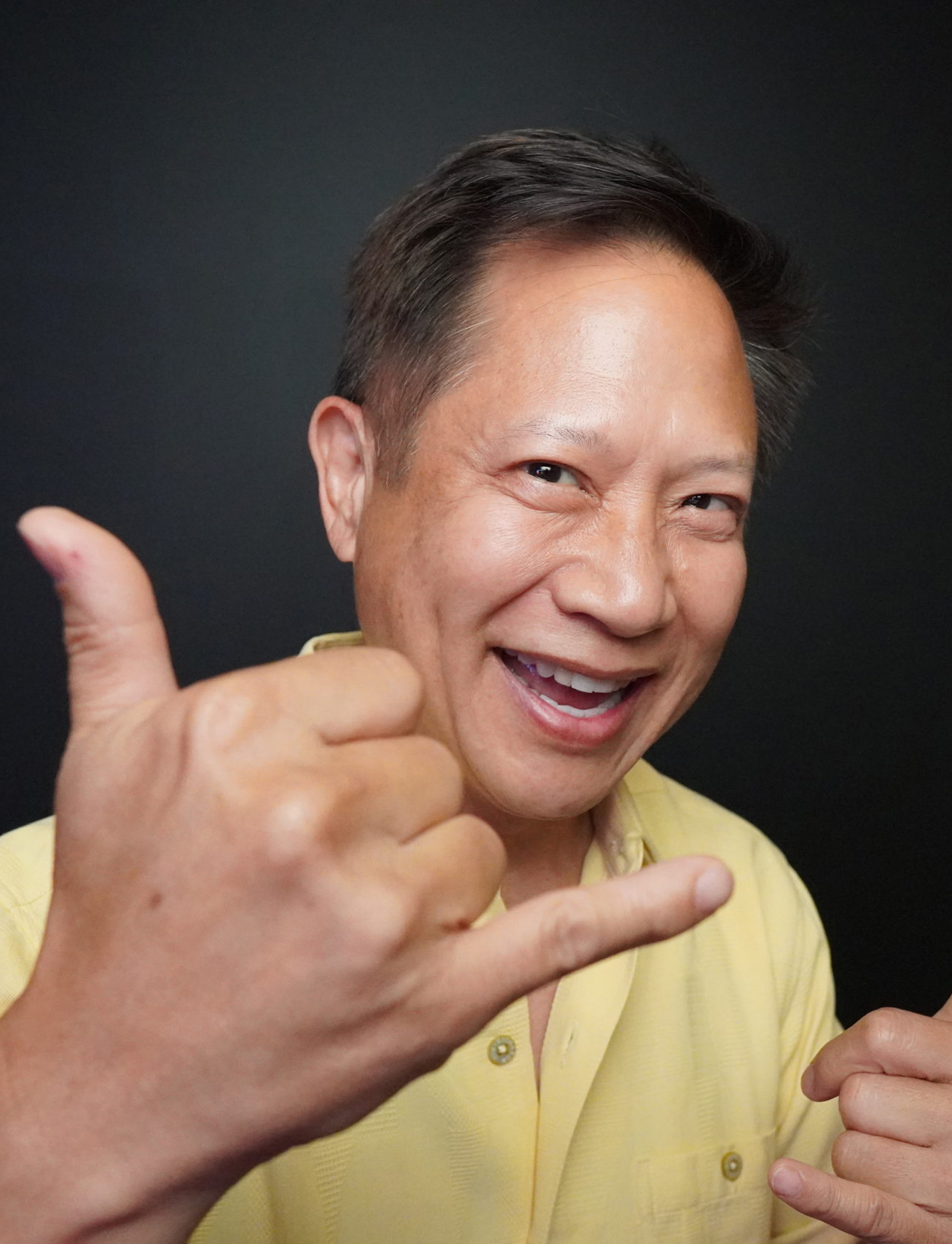
Steve Sue, Filmmaker & ID8 Chair

TAKE ACTION
Help the world see ʻONO Film. DONATIONS 100% TAX DEDUCTIBLE See Use of Funds » | Donor Wall »
Venmo, PayPal, CC/Debit or Check:
DONATE
Donations are tax deductible. Donate by Venmo, the credit card form below or manual check. Credit card donors will receive a tax deduction letter. Please consult a financial advisor for tax advice. Make checks payable to "ID8" and mail to 1012 18th Ave. Honolulu, HI, 96816 or by credit card:
CORP. SPONSORS
Sponsorships are tax deductible. Sponsors will receive a tax deduction letter. Please consult a financial advisor for tax advice. Donate by check payable to "ID8" and mail to 1012 18th Ave. Honolulu, HI, 96816 or by credit card:
- $400K Fundraising Goal 1%